The Trust Crisis on the Factory Floor
Pure AI solutions often hit an invisible barrier when deployed in industrial quality control: floor operators do not trust black-box outputs. When a screen shows "NG Confidence 87%," the quality manager's first reaction is: "Why? Which frequency? What feature?" If the AI cannot explain, the master technician will bypass it and judge by ear—rendering the device a very expensive paperweight.
Dual-Model: Making AI Verifiable
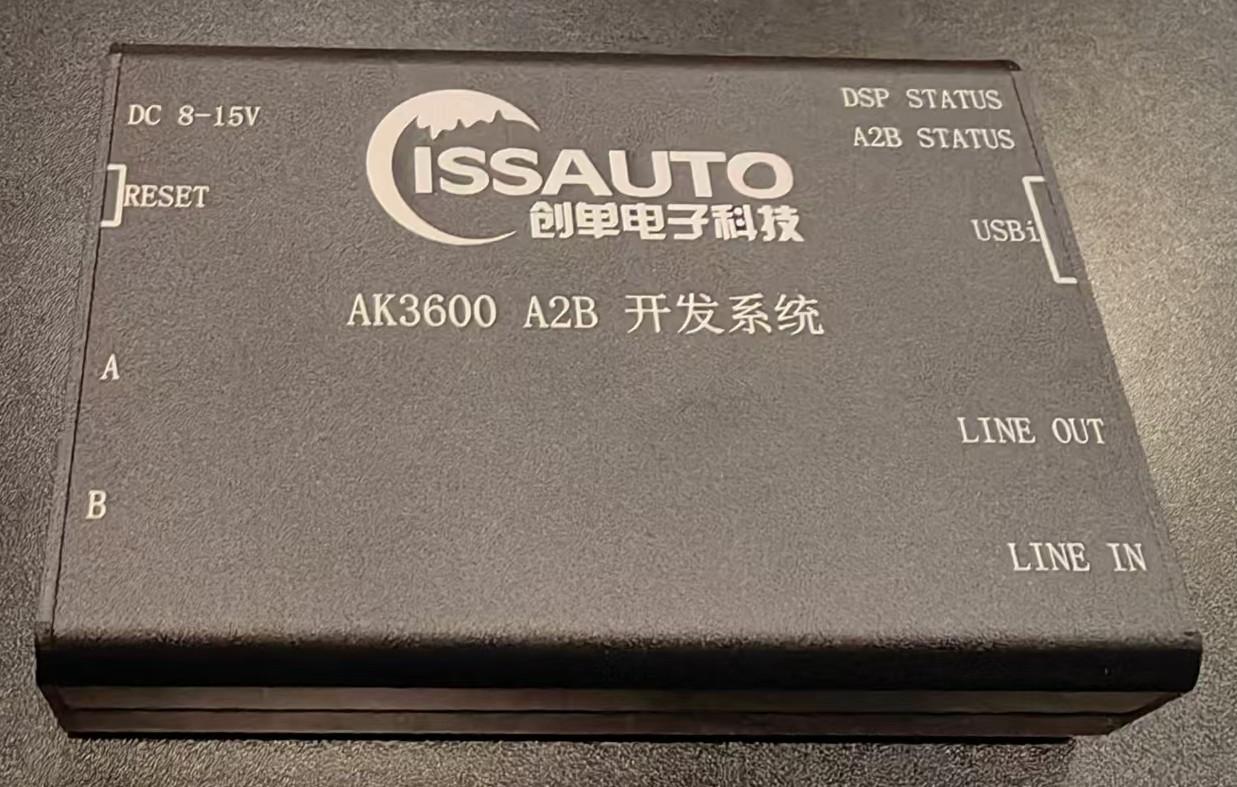
Chuangdan's workstation solves this with minimal physical interaction—a 3-position toggle + dual-color light ring:
• AI Mode (Blue Ring): SVM model outputs Pass/Fail + confidence %. Ideal for new operators and high-speed automated sorting.
• Threshold Mode (Red Ring): Rule-based frequency-band energy judgment. No defective samples needed. The screen shows exactly which band exceeded limits and by how many dB.
• Playback Mode: Review historical detection records.
The master technician's daily workflow becomes: AI screens first → suspicious parts flagged → switch to Threshold mode → see the band → confirm "Ah, 2000Hz is indeed high" → trust earned. AI doesn't replace the human; it narrows the re-inspection scope.
Why Threshold Mode Needs No Defective Samples
This is the question every customer asks. Traditional supervised learning requires大量 NG samples, but production lines typically have "many good parts, few bad ones." Threshold mode works like a "thermometer":
1. Collect 30–50 confirmed good parts; extract per-band energy distribution.
2. Set the 95% confidence interval as the "normal zone."
3. For each new part, any band exceeding the normal zone triggers NG.
This is essentially unsupervised anomaly detection—no need to know in advance what "bad sounds like."
Lesson for Engineering Deployment
The ultimate goal of industrial AI is not "the most accurate model" but "the model most accepted on the floor." The dual-model design, with the lowest interaction cost (one toggle switch), removes the biggest deployment barrier (trust). This is engineering thinking, not academic thinking.